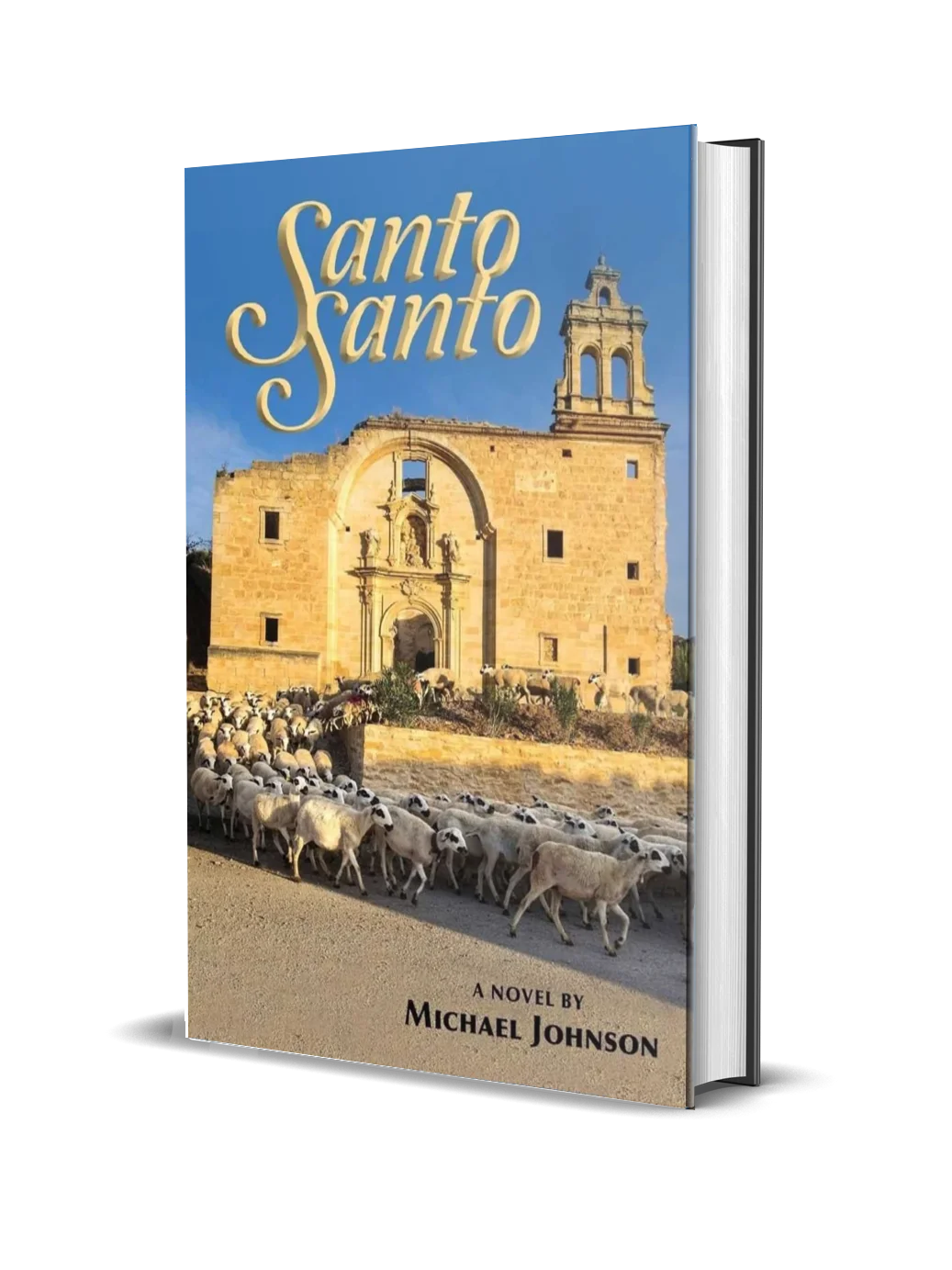
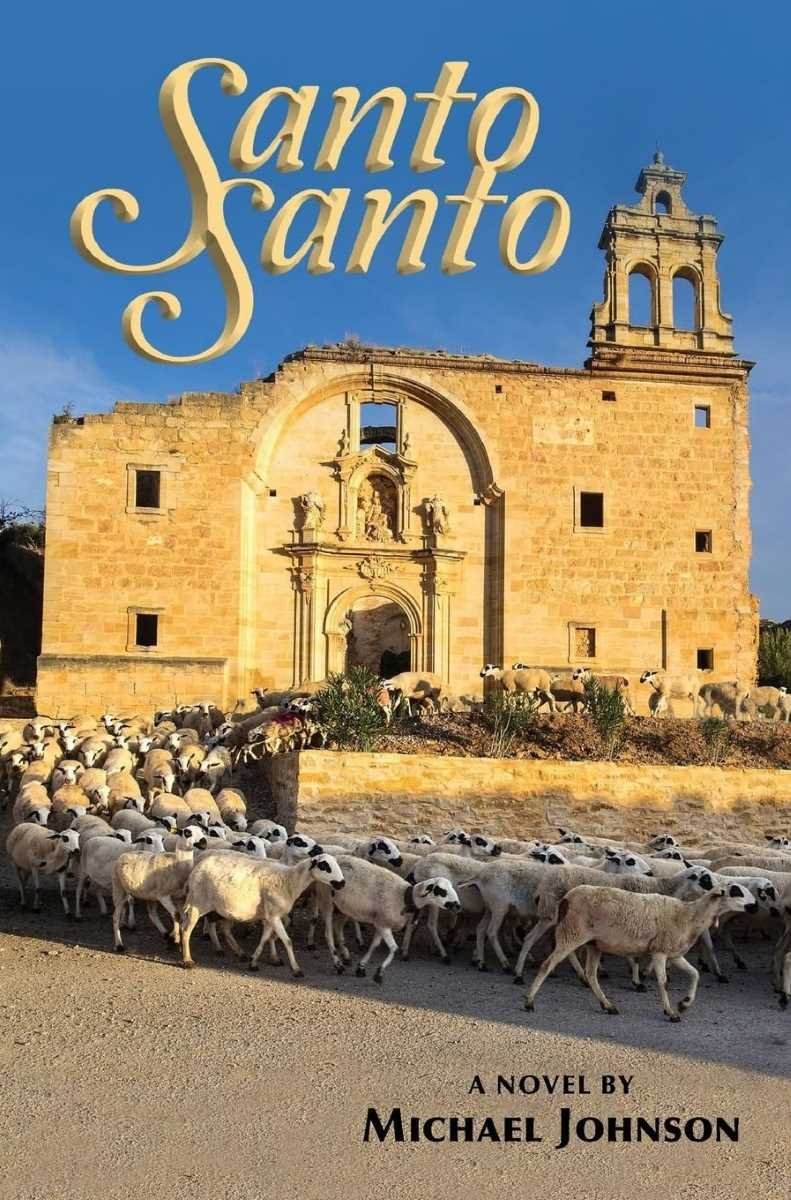
Santo Santo begins with collapse. Reverend Oliver Francis Walby, once celebrated for his radical Naked Mass and experiments in spiritual liberation, is exposed and driven into exile after scandal makes his presence in the United States untenable. Fleeing with him is Elliot Spenseric, a loyal disciple from a once-wealthy family, whose faith in Walby’s ideas survives even as the man himself falters.
They escape to El Santo, a remote Andean nation steeped in revolutionary rhetoric and political instability. There, Walby retreats into passivity, drifting between exhaustion and near-narcolepsy, leaving Elliot to act as interpreter, organizer, and strategist. Elliot reshapes Walby’s teachings into “Che-su,” a hybrid doctrine combining Christian compassion with Marxist revolution. What begins as devotion slowly reveals itself as ambition.
The novel satirizes the ease with which belief can be redirected once its original source weakens. Faith becomes portable, slogans replace reflection, and violence is justified as moral necessity. Johnson treats both religion and revolution with equal skepticism, exposing their shared dependence on spectacle, obedience, and charismatic authority.
Santo Santo is a political farce with serious undertones. It examines how ideas migrate across borders, how followers outlive their leaders, and how movements continue long after their moral center has hollowed out.